Twelve degrees of latitude. That is what separates me from my brother. I live in central Texas (my latitude is 30 degrees N), and my brother lives in New England—Massachusetts—and his latitude is 42 deg N. On our circular earth we are only twelve degrees of latitude apart.
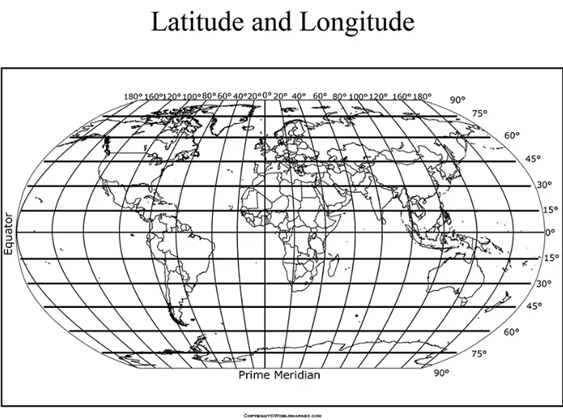
Twelve degrees sounds like a very small amount. After all, there might be only twelve degrees of temperature difference between wearing a sweater on a cool afternoon and putting on a jacket that same evening. But, in effect, twelve degrees in latitude is the difference between a leisurely kayak paddle and skating on a frozen lake.
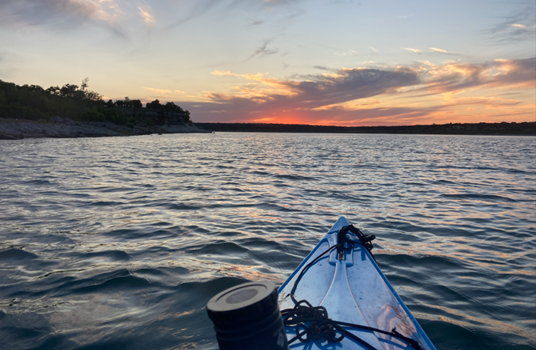
Kayaking in February
It was February in central Texas and, because our winters are mild, my kayak club had planned an outing. I hoisted my kayak on the roof of the van and met my friends on the Colorado river. The day was beautiful—bright sun, a light breeze, and comfortable temperatures. We paddled for about 2 hours before heading back. That evening, I emailed a few photos from our paddle to my brother in Massachusetts. Little did I know that at that very moment he was stoking his furnace to stay warm in a sub-freezing New England winter!
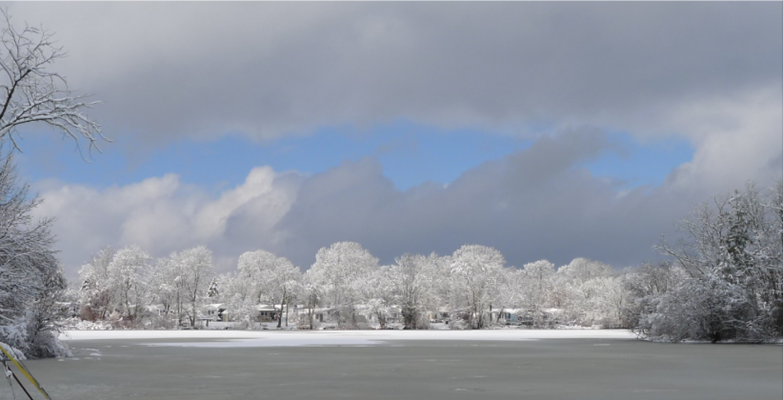
He wanted to go kayaking too! But it would have meant chopping a hole in the ice on a nearby lake! Yes, there are only twelve degrees of latitude between us but there was more than 50 degrees of temperature separating us that day.
New Englanders, like my brother, are tough folks. They have to maintain a certain mindset that starts with acceptance that it is going to be cold and there is no sense complaining about it. Winters often arrive with temperatures in the teens, howling winds, and several feet of snow.
Latitude affects attitude.
My brother’s climate dictates a very different lifestyle and outlook on life than mine in the sunny south. He has a can-do attitude and thinks nothing of climbing onto his roof to chip away ice and snow. Me? If the temperature drops to 68 degrees, I’m putting on sweaters and long pants and staying inside.
–Latitude affects the amount of daylight a person receives—which in turn can influence health and mood.
–Latitude affects the temperature outside your house—which affects how often a person can comfortably get outdoors and exercise.
–Latitude affects the growing season. In Texas I may have tomatoes and cucumbers ripening before my brother in Massachusetts even sows a seed in his garden.
–And of course latitude creates the seasons—summer, fall, winter, spring. As a matter of fact, the changing seasons are very pronounced in New England and my brother says that people set their yearly calendar by them.
Granite and Ice
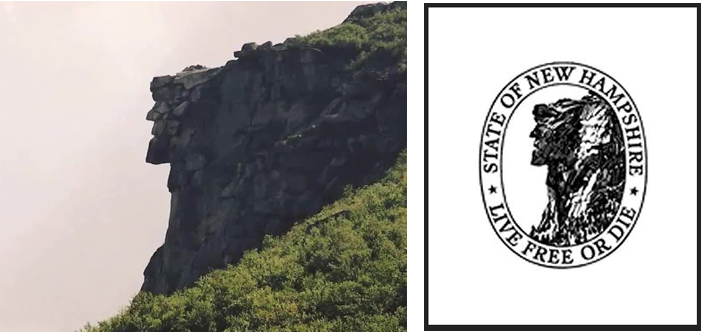
In 1851, Nathaniel Hawthorne described New Englander’s as “The sons of granite and ice”—self-reliant and full of determination. One of the New England states, after all, is New Hampshire, proudly known as the Granite State.
Anthropologists tell us that the further north in latitude people live, the more resourceful and inventive they often become—they had to be in order to survive in harsh conditions.
Here is something interesting to ponder: When the Pilgrims were planning their voyage to the new world in 1620, many wanted to settle further south in Virginia, where the climate was warmer and crops would grow more easily. But William Bradford argued that they should plant at a higher (colder) latitude. He believed that life in warmer climates might be “too easy,” and that such comfort could lead to idleness. Bradford seemed to understand something important: latitude can shape attitude.
The hardships of settling at a northern latitude are vividly described by Bradford in his journal Of Plymouth Plantation, written in the early 1600s.
“Of Plymouth Plantation” (by William Bradford).
“…and for the season it was winter, and they that know the winters of that country know them to be sharp and violent, and subject to cruel and fierce storms, dangerous to travel to known places, much more to search an unknown coast. Besides, what could they see but a hideous and desolate wilderness, full of wild beasts…
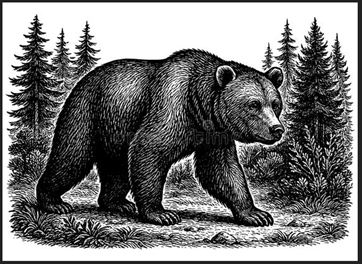
The Pilgrims had chosen a latitude where survival itself required resilience and determination.
Bradford continues “…What could now sustain them but the Spirit of God and his grace? Ought not the children of these fathers rightly say: “Our fathers were Englishmen which came over this great ocean, and were ready to perish in this wilderness.”
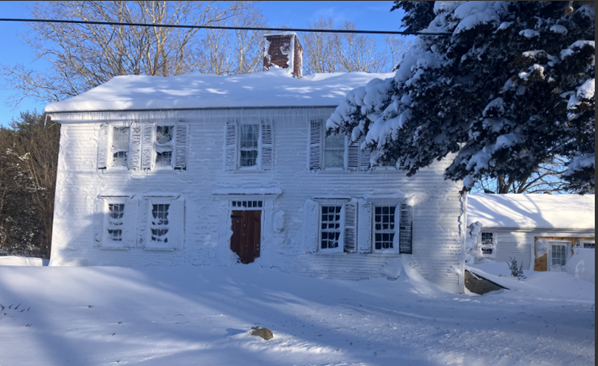
The above excerpt, written in December of 1620 by William Bradford, was penned less than thirty miles from my brother’s historic home in Massachusetts. His house—pictured above—was built in 1715, about one hundred years after the Pilgrims landed. Clearly the Pilgrims did not perish in that first winter but survived and eventually thrived, creating what we now call New England.
Bradford wrote that the descendants of the Pilgrims could rightly say, “Our fathers were Englishmen who came over this great ocean.” My brother and I are, quite literally, children of those fathers. Our family traces its roots back to the passengers of the Mayflower, the small vessel that carried the Pilgrims to the shores of Massachusetts in 1620. In that sense we are part of the legacy described by Nathaniel Hawthorne—the “sons of granite and ice.” My brother still lives among the granite hills and snowy winters of New England, but I now live far to the south in Texas. Yet even twelve degrees of latitude cannot entirely erase the inheritance of those northern ancestors.
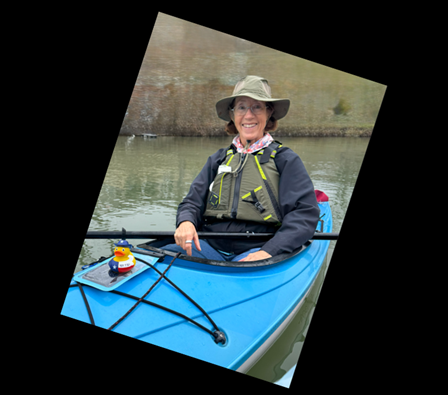
Here I am in my kayak on a warm day in February. No granite and ice here!
But alas, I spoke too soon! Not long after this photo was taken, we had an ice storm in central Texas!
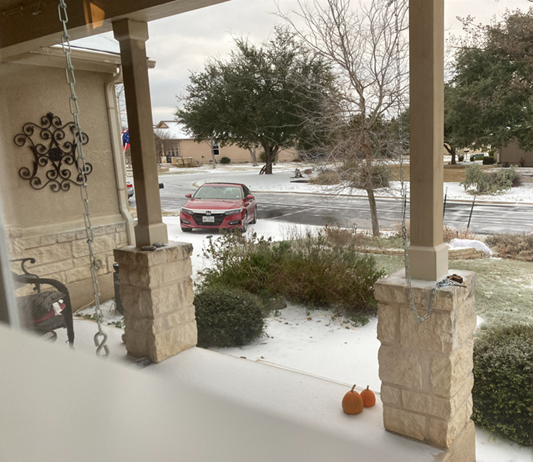
The weather, of course, cannot be predicted, and Mother Nature has her own ways of leveling the playing field. Hence, Mother Nature decided to scold us Texans for becoming a bit too comfortable in our mild southern climate. Further kayaking was out of the question after this change of temperature! Perhaps she had William Bradford in mind when he warned that living in the lower latitudes might lead to (kayaking) idleness. On that particular icy day, Texas felt a little more like New England. For a brief moment, those twelve degrees of latitude between my brother and me did not seem quite so large. I felt as though I was in New England again!
Always talk to your health professional before starting anything new. This information is not intended to diagnose, treat or cure any condition and is intended only for entertainment. I welcome your comments.