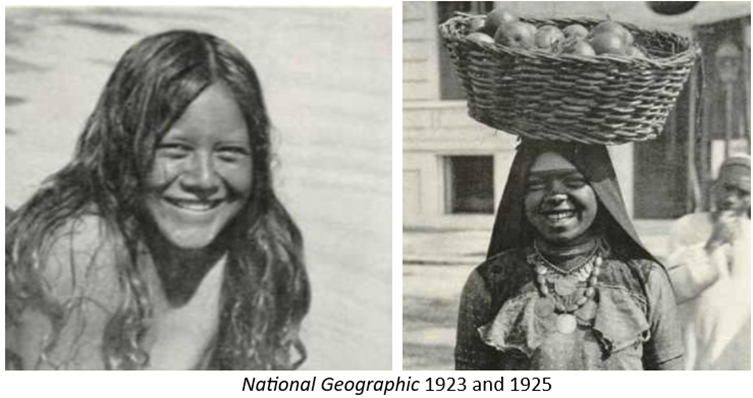
About a hundred years ago, in the 1920s, a dentist named Westin A. Price set out on an unusual journey. From his dental practice in Ohio, he had become increasingly concerned by the large number of people with numerous dental cavities and crooked teeth. Yet in the pages of National Geographic, he saw striking photographs of indigenous people with beautiful teeth, broad faces, and radiant smiles. This contrast sparked a simple but profound question: how could these populations—living in remote, traditional cultures—enjoy such exceptional dental health?
Did these people in the photographs live as depicted? And if so, could he find them and prove that healthy populations still existed? It seemed to him that the dental health of Americans was in decline, and he felt compelled to investigate why.
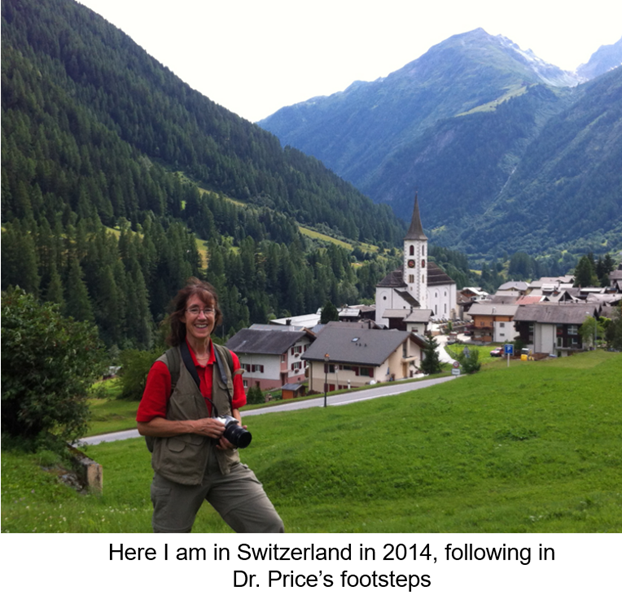
These communities did indeed exist, and Dr Price journeyed to remote corners of the world to find them. His travels took him to the Inuit of Alaska, and then to the South Sea Islanders in the Pacific, and from the Swiss living high in the Bernese Alps to the Masai Tribes of East Africa. He also studied Australian Aboriginal groups and the Scottish Highlanders on the Outer Hebrides. In total he visited roughly a dozen locations around the globe between the 1920s to 1930s. All of these groups lived as their ancestors had—largely untouched by modern commerce, processed foods, and industrialization.
In his travels, Dr. Price found exactly what he was looking for: vibrant, healthy individuals with strong bodies and perfect teeth, shaped by traditional diets and ways of life. He quickly realized that diet was the cornerstone to their health. With a scientist’s curiosity, he studied what they ate, and what they didn’t eat.
Despite living in dramatically different environments, these groups all enjoyed exceptional dental and physical health—yet their diets couldn’t have been more different. For example, the Inuit in Alaska thrived on a diet rich in fish, caribou and a small number of seasonal plants. The Swiss, living high in the Alps, ate generous amounts of dense rye bread, cheese, butter, and raw milk (at a time when milk was being blamed for tuberculosis in Europe). On the windswept Outer Hebrides of Scotland, people relied heavily on fish and oats—since few other foods could be found on those rough, weather-beaten islands. And in East Africa, the Maasai maintained excellent health on a traditional diet that included milk, blood from their cattle, and locally grown tubers and squashes.

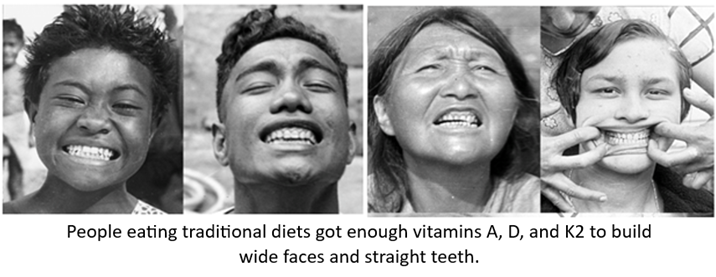
Despite the wide differences in their diets Dr. Price noticed striking similarities in the nutrient quantities in these traditional foods. They were all minimally processed, locally sourced, and often high in fat-soluble vitamins, especially A, D, and K2. Animal fats, organ meats, and fat from fish or dairy provided concentrated nutrition, while seasonal plants, tubers, and grains added essential minerals and fiber. Fermented foods were also universally eaten. Across every culture, these nutrient-dense diets supported robust bodies, strong teeth, and exceptional overall health, suggesting that it wasn’t the specific foods themselves, but the fact that they were nutrient rich, that mattered most.
These diets had almost nothing in common—yet the people eating them were consistently healthy. Dr. Price had to step back and ask: what standard could he use to fairly compare the health of such vastly different groups?
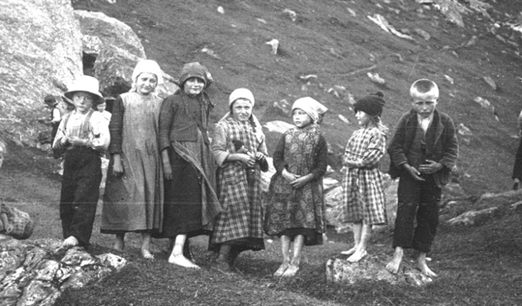
Since Dr Price was a dentist, he began where he had the most expertise—by examining teeth. In each village he visited, he lined up the children and counted cavities. He would look at the width of their faces and ask himself—is there room for all the teeth? In every case, all the children had nice wide jaws and straight teeth. Cavities were few and far between, and no need for braces or appliances. There was not even a need for dentists! If there was a local doctor or elder in the town, Dr Price would ask about heart disease or cancers. Generally, there were very few diseases in these populations.
After years of travel and laboratory analysis of food samples, Dr. Price began to see clear patterns emerge-
First, every healthy group he studied consumed foods rich in the fat-soluble vitamins A, D, and K2, most of which came from animal sources. Each culture, in its own way, went to great efforts to hunt, catch, or raise animals that provided nutrient-dense fats—whether from fish, dairy, organ meats, or wild game. Price theorized that it was these fat-soluble vitamins that built wide facial structure, strong teeth and bones. (This was later backed up by research by others (here, here, here, here)
Second, none of these healthy groups ate processed foods. At that time, these people simply did not have access to sugar, white flour, canned goods, jams and the early versions of industrial vegetable oils.
Finally, he discovered that none of the thriving populations were vegetarian (the concept of a “vegan” diet didn’t yet exist). In fact, Price began his journey expecting to find healthy groups living on mostly plant foods with very little meat or fat. But his travels revealed the opposite—his original theory simply didn’t hold up.

The Displacing Foods of Modern Commerce
The foods these people didn’t eat were what Dr. Price called “the displacing foods of modern commerce.” These were the items that appeared when local trading posts or mission stores began selling modern convenience foods. What were these foods? White flour products, sugar, polished rice, jams, canned goods, and vegetable fats. Whenever indigenous groups began incorporating these foods into their diets, the results were immediate and dramatic: cavities increased, and overall health began to decline. These foods took the place of the more nutritious traditional foods.
In 1939, Dr. Westin A. Price published his landmark book, Nutrition and Physical Degeneration, documenting his worldwide study of traditional diets and their profound impact on human health and development. The book remains a cornerstone for understanding the deep connection between diet, body structure, and overall well-being.

In 1999 The Westin Price Foundation was born.
Dr Price died in 1948 at the age of 77. His last words were “You teach, you teach, you teach”. Decades later, in the late 1990s, Sally Fallon Morell rediscovered Dr. Price’s work and, along with nutritionist Mary Enig, Ph.D., founded the Weston A. Price Foundation. The organization is dedicated to sharing his message—that optimal health depends on nutrient-dense, traditional foods and the avoidance of highly processed modern diets. In the words of the foundation- “restoring nutrient-dense foods to the American diet through education, research and activism” (link).
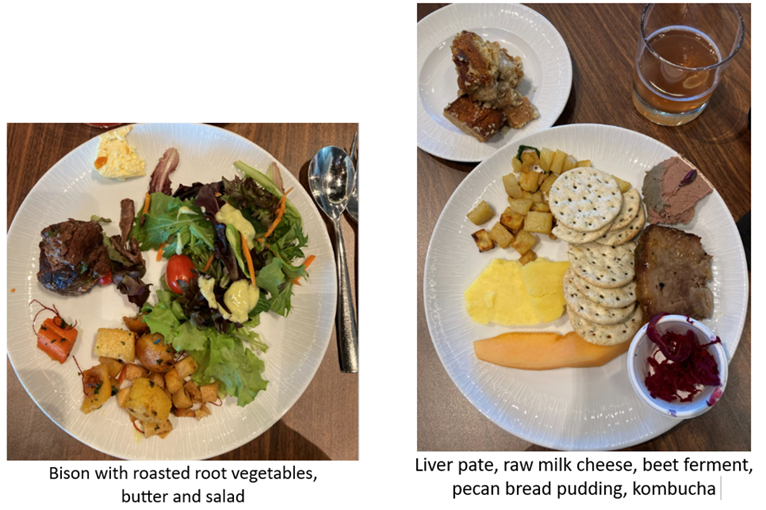
The Westin Price Foundation celebrated its 25th year in October 2025. I attended that conference in Salt Lake City and it didn’t disappoint. There were many health-related presentations as well as great food!
Dr. Price’s work reminds us that vibrant health is not an accident—it’s the result of nutrient-dense, traditional foods that humans have relied on for generations. While our world has changed dramatically since his travels, the principles he uncovered remain just as relevant today. By learning from the past, we can make wiser choices in the present—and reclaim the strength, vitality, and resilience that once defined healthy cultures around the globe.
If you are interested, here is a link to my post on the 2022 Westin Price Conference.
Always talk to your health professional before starting anything new. This information is not intended to diagnose, treat or cure any condition and is intended only for entertainment. I welcome your comments.
Cool Photo, and very interesting and well expressed article. I read my first Price book at 19, and his ideas have only aged like a fine wine. Maybe you’ll see me at one of the Westin Price conferences!
Thank you for introducing me to Dr. Weston A. Price. What a fascinating, well-written article, Jackie! Your writing always challenges my pre-conceived ideas. I always thought indigenous people were surviving on plant-based foods. It really makes you realize what a detriment to society the introduction of processed foods was.
I also enjoyed reading about your travels to the conference. It must have been so exciting to be there!
Good post , Jackie .
I have read his book : Nutrition and Physical Degeneration as you have .
In my opinion , he knew more about health than 90% of doctors today.