If you read my first post on Why I Don’t Wear Sunglasses, you’ll know that sunglasses block some of the sun’s most important rays—rays our bodies rely on to function optimally. UV light, for instance, helps regulate our circadian rhythm and supports hormone balance, among other vital processes. But when we wear sunglasses, that ultraviolet light never reaches our eyes, so the brain misses out on those critical signals. After learning more about this, I decided to stop wearing sunglasses altogether.
Shortly after I wrote that post, I had my annual eye checkup with my optometrist. This doctor does more than just test my eyes to assess the need for reading glasses, he also examines the back of my eyes to look for signs of macular degeneration, optic nerve issues, and retinal problems. I passed all the tests with flying colors. During the visit, I had a long chat with him and explained why I don’t wear sunglasses. Amazingly, he admitted that he does not wear them either!

He shared a story that his professor once told the class: most inexpensive sunglasses don’t actually block UV light—despite what the label claims. Unless you’re buying high-end models (around $200), you may not be getting true UV protection. While cheaper sunglasses do reduce brightness and glare, they also cause your iris to dilate because of the darker lenses. This dilation lets more light into your eye—including the very UV rays you’re trying to avoid—making the damage potentially worse than wearing no sunglasses at all. That convinced him that sunglasses were an unnecessary human invention.
I was pleasantly surprised and comforted to know that my choice to avoid sunglasses was supported by my doctor!
Sunglasses came into vogue in the late 1920s. From my previous blog post: “They were mass produced by a man named Sam Foster who sold them on the beaches of Atlantic City (under the name Foster Grant). Foster-Grant sunglasses became the first cultural trend to wearing tinted lenses that blocked the solar frequencies entering the eye. Up to that point, wearing tinted glasses was frowned upon.
Hollywood movie stars picked up the trend and the rest, is history. Go into any department store today and there will be a display of expensive sunglasses. Or, go into any corner store for a cheaper selection. It has been about 100 years that humans have been blocking ultraviolet light into their eyes. Have we unwittingly damaged our health?
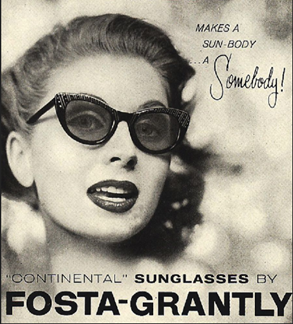
I believe people were generally healthier in earlier generations, partly because they didn’t wear sunglasses. The photo below, taken in the 1950s (from my family album!), shows a group with no sunglasses—and likely no sunscreen either. That generation often seemed to enjoy good health well into old age, with fewer chronic diseases that are so common today. Is it possible that sunglasses (and sun screen) are not really helping, but may actually be hurting?

During my conversation with my doctor, he mentioned that he’s noticed a rise in eye problems in the general population since around the year 2000—a trend he believes may be linked to the surge in junk food consumption and the rising cost of healthier food options.
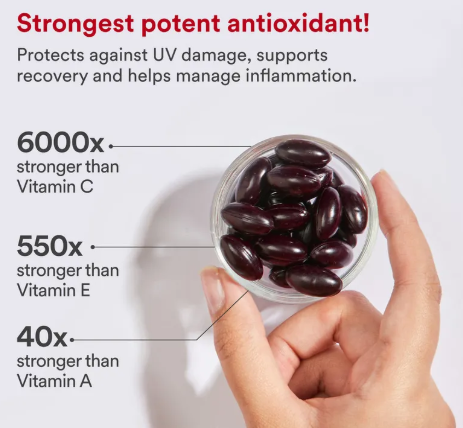
For example, he tries to include more fruits in his diet, such as raspberries, apples, bananas, and has also added the antioxidant astaxanthin. Astaxanthin is an anti-inflammatory compound derived from algae—the same algae that give salmon their red color and flamingo’s their pink hue. He also takes the supplement lutein, which has been shown to ward off macular degeneration. Since several of my family members have had macular degeneration, I take lutein as well—and I think I’ll start adding astaxanthin to my supplements too.
Today, optometrists do much more than just provide reading glasses or correct vision. At my clinic, they examine the back of the eye—including the retina, optic nerve, macula, and blood vessels—and also screen for cataracts, corneal damage, glaucoma, and other conditions. In fact, optometrists are often the first to detect signs of diabetes, high blood pressure, and even high cholesterol.
You may ask, how do optometrists spot high cholesterol? Cholesterol can be deposited as a yellow or white material in the retina or around the cornea. This happened to me. Years ago, my optometrist noticed signs of cholesterol buildup on my cornea. I was shocked. After evaluating my diet, I realized I had been eating a lot of trans fats from frozen dinners. I stopped that habit immediately—and over time, the deposits disappeared.
Our eyes are deeply connected to our overall health—and how we care for them reflects how we care for the rest of our bodies. From avoiding sunglasses that block beneficial UV light, to making thoughtful dietary choices that support eye function, we have more influence over our visual and systemic health than we might realize.
With rising rates of eye problems in recent decades, it’s worth rethinking modern habits and returning to a more natural approach: embracing sunlight wisely, eating real foods, and working with a good optometrist who sees the bigger picture. Sometimes, the simplest choices—like stepping into the sun or skipping processed foods—can make the biggest difference.
Don’t forget to read my previous post on this topic! Why I Don’t Wear Sunglasses
Always talk to your health professional before starting anything new. This information is not intended to diagnose, treat or cure any condition and is intended only for entertainment. I welcome your comments.
I find it fascinating and very hopeful that your eyes cleared of drusin ( yellow specks caused by cholesterol). Thanks for this most interesting article.